attic insulation Santa Clarita
<!DOCTYPE html>
Signs Your Santa Clarita Home Needs New Attic Insulation | Pure Eco Inc.
Signs Your Santa Clarita Home Needs New Attic Insulation
Santa Clarita sits at the edge of Los Angeles County with a high desert climate. Summer heat runs into triple digits. Nights can turn cold in winter, especially in canyons and higher elevations. Homes in Valencia, Saugus, Canyon Country, and Stevenson Ranch face wide swings that strain HVAC systems. Attic insulation is the first line of defense. It keeps heat out in July and keeps warmth in during January. When the attic fails, energy bills spike and comfort drops fast.
This page shows how to read the signals. It explains what aging or damaged insulation looks like in real Santa Clarita homes. It also shows how technical fixes such as air sealing, radiant barriers, and proper R-values stabilize the home’s thermal envelope. The focus stays local. It references the layouts, rooflines, and materials common in the Santa Clarita Valley. It blends building science with practical field experience. The goal is simple. Help homeowners spot the issue, understand the fix, and make a smart plan.
Why attic insulation matters in Santa Clarita Valley neighborhoods
Homes across 91350, 91351, 91354, 91355, 91380, 91381, 91384, and 91390 see intense solar gain. Roof decks bake. Ducts run hot if they are in the attic. HVAC cycles run longer, especially in two-story Valencia models with large attic cavities. Without the right insulation depth and air sealing, conditioned air escapes through every gap and seam. That loss forces the system to push harder. The result is uneven room temperatures, noisy returns, and rising bills.
California Title 24 calls for strong thermal performance in attics. In practice, Santa Clarita homes perform best at R-38 to R-49. Older homes in Newhall or Canyon Country may sit at R-11 to R-19 due to thin fiberglass batts or settled blow-in. That gap is the main driver of heat transfer through the ceiling. A thorough upgrade closes that gap, reduces load on the AC and furnace, and improves indoor air quality when combined with proper air sealing and ventilation.
Clear signs your home needs new attic insulation
Comfort gives the first clues. Bills give the rest. Visual inspection confirms the cause. Here is how the problem tends to show up in Santa Clarita homes near College of the Canyons, CalArts, or Six Flags Magic Mountain.
Rooms that swing from hot to cold
Uneven room temperatures point to heat moving through the ceiling and down wall chases. It shows up between floors in Saugus two-story plans and in bonus rooms over garages in Stevenson Ranch. The cause is often depleted fiberglass batts, missing insulation around can lights, or open top plates at wall partitions. The cure combines air sealing and new insulation with the correct R-value. This restores a consistent thermal barrier across the attic floor.
AC that runs without catching up during heatwaves
During Santa Clarita heatwaves, the attic can push well past 130°F. If the insulation is thin or disturbed, the AC never rests. Energy bills jump. A thermal imaging camera shows hot pathways across joists and around recessed fixtures. Raising the attic R-value with blow-in cellulose or new fiberglass, and adding a radiant barrier at the rafters, cuts that load. Air sealing around plumbing stacks and wiring penetrations locks in the gains.
Dust, allergens, and drafts
Drafty rooms are not only a window issue. Gaps in the attic floor pull air from outside wall cavities and crawl spaces. Dust rides that air. Allergens do too. The fix is a combination of foam or sealant at top plates, weatherstripping at the attic hatch, and a fitted attic hatch cover. Once leaks are sealed, new insulation keeps clean air in and unfiltered air out of the living space.
Rodent activity and damaged insulation
Canyon Country and Castaic back up to open areas. Rodents find access points at eave lines and roof penetrations. Droppings, tunneling, or shredded material in the attic show active trails. Contamination flattens insulation and ruins its thermal value. The proper response includes industrial insulation removal with a HEPA-rated system, decontamination, rodent exclusion, and fresh insulation. A rodent-proofing plan with screen and seal at entry points prevents repeat issues.
Moisture staining or mildew odor
Santa Clarita is dry. Yet roof leaks and bathroom exhaust misrouting can send moisture into the attic. Stained drywall, musty smells, or visible mold mark a problem. Wet or compacted insulation loses R-value. Before adding insulation, stop the moisture source, improve ventilation with soffit baffles, and set bath fans to vent outdoors. In this region, a dedicated interior vapor barrier is usually not needed. Controlled airflow and balanced attic ventilation solve most moisture risks.
Quick self-check signs
A homeowner can spot many issues without special tools. A flashlight and a calm walk through the attic tell a lot. Always step on joists and stay safe. If the signs below show up, the home likely needs an insulation plan.
- Insulation level sits below the joist tops or looks patchy and settled.
- Visible gaps around recessed lights, ducts, or plumbing stacks.
- Hot second floor in summer and cold first floor in winter.
- Rodent droppings, shredded batts, or chewed vapor barrier.
- AC runs long during Valencia afternoons yet the home stays warm.
What a proper attic upgrade includes in Santa Clarita
A strong attic is a system. It is not only more material on the floor. It is air control, thermal control, and ventilation working together. Here is how a complete retrofit looks in practice for homes near William S. Hart Regional Park, Valencia Town Center, or Vasquez Rocks daytrip routes.
Step one: Inspection and testing
The process starts with a free attic inspection. A trained technician checks the R-value, depth, and condition of the current material. A thermal imaging camera highlights heat leaks near can lights, knee walls, and attic access points. Existing vents, soffit pathways, and baffles get reviewed to confirm airflow from eaves to ridge. If rodents are present, droppings and trails get mapped. If mold appears, the roof, bath fans, and duct condensation points get reviewed.
Step two: Safe insulation removal where needed
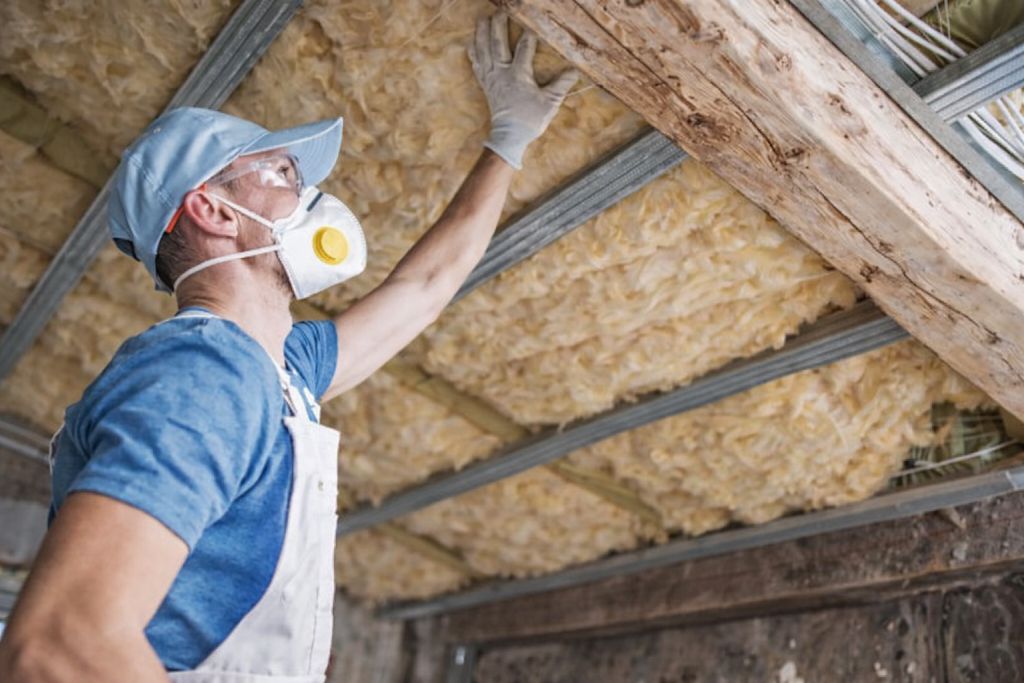
Contaminated or compacted insulation should be removed. An industrial insulation vacuum does the heavy lifting. Hoses route the debris into sealed bags outside the home. A HEPA air scrubber helps trap fine dust and allergens while work is underway. This method protects the living space. It sets a clean foundation for air sealing and new material.
Step three: Precision air sealing
Air sealing is where homes gain the most comfort per dollar. Crews seal top plates, wiring holes, and plumbing penetrations with foam and mastic. Recessed light covers go over can lights that are not IC-rated to manage clearance and prevent heat loss. The attic hatch receives a tight weatherstripping and an insulated cover. Duct boots get sealed to drywall with mastic or foam. These steps stop uncontrolled air exchange, which raises comfort and reduces dust.
Step four: Ventilation corrections
Intake airflow through soffit vents must remain open. Baffles keep insulation from blocking those inlets. In Santa Clarita, added baffles at every bay are a smart move in tract homes with long soffit runs. The goal is clear. Let cooler outside air move along the roof deck and exit at the ridge or gable vents. This controls attic temperature and protects the roof deck.
Step five: Material selection and install
Santa Clarita homes benefit from R-38 to R-49. That can be reached with blow-in cellulose, fiberglass batts, or a hybrid. GreenFiber cellulose has strong coverage and sound control. Owens Corning and Knauf fiberglass provide predictable R-values and clean geometry around joists. Johns Manville and Rockwool have roles too. Rockwool adds fire resistance and moisture tolerance in select areas. The cellulose blowing machine or batt layout creates a continuous thermal layer over the entire attic floor, including edges behind kneewalls and at eaves where space is tight.
Step six: Solar load control with radiant barrier
A radiant barrier reflects a large share of the sun’s heat before it enters the living space. In Santa Clarita, Fi-Foil radiant barriers at rafters or under the roof deck reduce attic temperatures during hot months. This trims AC runtime during Valencia afternoons and helps stabilize upstairs bedrooms. A radiant barrier works best when paired with proper insulation and open soffit airflow.
Step seven: Rodent-proofing and decontamination
After removal, all potential entry points get sealed with mesh and metal flashing. Chew-proof materials go at the eaves and around utility lines. The area is sanitized. A rodent-proofing guarantee shows that the sealing work is taken seriously. This is important near canyons and open parks where wildlife is active year-round.
Step eight: Final verify for Title 24 performance
The upgrade should meet or exceed Title 24 standards. An Energy Star approach to materials and installation keeps the home on the right track. Depth markers confirm coverage. Hatch covers, baffles, and air seals are checked again. Thermal imaging can confirm the improvement on the same day if conditions allow.
How poor insulation shows up on the utility bill
In Santa Clarita summers, a home with weak insulation may see electric bills run 20 to 30 percent higher than a similar home at R-38 or above. Two-story layouts with ducts in a hot attic pay the highest penalty. During winter nights in the 91381 foothills, gas usage spikes if heat escapes through the ceiling. Careful air sealing plus an insulation reset lowers both electric and gas costs all year.
Some homes improve even more with duct sealing and attic air sealing together. If the ducts leak into the attic, the home pulls in unfiltered air through gaps to replace that lost supply. That cycle wastes energy and degrades indoor air quality. Stopping this cycle changes the feel of the home within days.
Material choices that fit Santa Clarita homes
The right insulation depends on the attic geometry, budget, and any special risks.
Blow-in cellulose from GreenFiber fills irregular bays well and improves sound control along busy roads and near the I-5 corridor. Fiberglass batts from Owens Corning, Knauf Insulation, or Johns Manville work in attics with open access and regular spacing. Rockwool suits areas where fire resistance or moisture tolerance add value. Closed-cell or open-cell spray foam such as Icynene is an option for select roofline projects, bonus room knee walls, and complex spaces where air sealing is difficult. Each has trade-offs in cost, install time, and serviceability.
A hybrid often wins. Air seal first. Add batts where access is easy. Blow cellulose over the top to form a smooth cap. Keep baffles clear at the eaves. Fit recessed light covers. Seal the hatch and weatherstrip it. Add a radiant barrier if summer heat dominates the comfort issue. This stack covers thermal, air, and radiant control in a balanced way for the Santa Clarita climate.
Code, R-value targets, and what Title 24 means here
California Title 24 sets energy targets by climate zone. Santa Clarita sits in a zone with high cooling demand and notable winter nights. The practical target for attics in this area is R-38 to R-49. Many homeowners choose R-49 to future-proof the home and reduce HVAC runtime on peak days. Raising beyond R-49 brings smaller gains but can still help in large, open attics if cost allows.
Meeting code is a floor, not a ceiling. Air sealing often delivers more comfort per inch than extra insulation alone. Soffit baffles are part of that plan. They preserve intake airflow at the eaves even when insulation is deep. With the right baffle design, the attic gets even coverage without blocking vents. This pairing with radiant barriers pays back in Santa Clarita far faster than in milder coastal zones.
Edge cases unique to Santa Clarita homes
Ice dams are rare, but they can occur on shaded roofs in 91390 and higher spots after winter storms. Poor air sealing allows heat to escape and melt snow from below. The melt refreezes at the eaves and traps water. Proper insulation and ventilation prevent the cycle.
Recessed lights from older Valencia builds often lack IC rating. Insulation cannot touch them without a cover. That creates bare spots that leak heat. Adding UL-rated recessed light covers solves the clearance issue and allows full coverage.
Attic access hatches over hallways tend to leak. Many hatches lack gaskets or insulation. A dedicated attic hatch cover and weatherstripping stop that loss and reduce hallway drafts.
Recycled denim insulation shows up in some remodels. It insulates, but it compacts if it gets damp and it does not stop air flow by itself. Air sealing and ventilation still matter if denim is present.
Local clues Pure Eco Inc. sees week after week
The team often works in Stevenson Ranch hilltops where solar exposure is intense. Those attics benefit from radiant barrier plus R-49 blow-in over air-sealed platforms. In Saugus, settled fiberglass batts from the 1990s are common. A removal, air seal, and cellulose cap stabilize room temperatures upstairs and downstairs. In Canyon Country ranch homes, rodent intrusion at eaves is frequent. Sealing and screening at the fascia line followed by fresh insulation solves the ongoing comfort dips and odor concerns.
Newhall has a mix of older framing and retrofit ducts. Thermal imaging shows bright leaks at chase openings above kitchens and bathrooms. Sealing those chases and adding baffles at every bay near the soffit transforms winter comfort. In Castaic, garage conversions with under-insulated ceilings cause hot-cold swings that frustrate families. Dense coverage and proper air sealing above the conversion area bring that space in line with the rest of the home.
How the work gets done cleanly and safely
Professional removal gear keeps the process tidy. An industrial insulation vacuum sits outside the home. Large hoses pull insulation into sealed bags. HEPA air scrubbers run during removal, so fine dust and dander do not drift into living areas. Workers protect pathways with floor coverings. Register vents are closed and reopened after the space is clean and sealed. A cellulose blowing machine meters new material for even coverage. Batts, if used, are cut to fit tight, with no gaps or compression. The crew sets depth rulers so the homeowner can see coverage clearly.
Brand families that perform well in Santa Clarita
Energy performance is the priority. Pure Eco Inc. uses products from Owens Corning, Knauf Insulation, Johns Manville, and Rockwool for fiberglass and mineral wool solutions. For cellulose, GreenFiber provides stable coverage and strong acoustics. Icynene solutions cover select spray foam use cases where air sealing at complex transitions is crucial. For radiant heat, Fi-Foil products stand up to sustained sun and maintain reflectivity. These brand families meet California expectations and integrate cleanly with Title 24 strategies.
Service area snapshot
Crews work across the Santa Clarita Valley and nearby communities. Daily routes pass familiar landmarks and reach every major zip code in the area. This local experience shortens timelines and aligns the install with real climate demands, not generic advice from milder zones in Los Angeles County.
- Zip codes: 91350, 91351, 91354, 91355, 91380, 91381, 91384, 91390 across Valencia, Saugus, Newhall, Canyon Country, and Castaic.
- Neighborhoods: Stevenson Ranch hilltops, Tesoro Del Valle developments, Valencia paseos, and established tracts in Saugus and Newhall.
- Landmarks on the route: Six Flags Magic Mountain, California Institute of the Arts, College of the Canyons, William S. Hart Regional Park, and Vasquez Rocks.
- Nearby service reach: San Fernando Valley, Antelope Valley, Palmdale, Lancaster, and Simi Valley for cross-valley homeowners.
- Common home types: Two-story tract homes, single-story ranch layouts, garage conversions, and bonus rooms over garages.
Technical Q&A for Santa Clarita homeowners
How much insulation is enough?
R-38 to R-49 is the sweet spot for this valley. Many older homes sit well below that. Upgrading to R-49 is a strong move for long-term comfort and energy control.
Is a radiant barrier worth it here?
Yes, for most homes with strong sun exposure. A radiant barrier reduces attic temperature and cuts AC runtime. It pairs best with good air sealing and R-38 or more.
What about the attic’s ability to breathe?
Intake at the soffits must stay open. Baffles keep insulation from blocking the airflow path. Balanced intake and exhaust protect the roof deck and keep the attic cooler.
Can insulation fix my dust problem?
Insulation alone will not. Air sealing is the key. Seal the holes first. Then insulate. Dust and allergens drop because the home no longer pulls air from wall cavities and the attic.
Should a vapor barrier go on the attic floor?
In this climate, a dedicated interior vapor barrier is rarely needed on the attic floor. Air sealing and correct ventilation handle moisture risk more effectively.
How do rodents affect insulation performance?
Rodents compress and contaminate the material. That kills R-value. Removal with an industrial vacuum, decontamination, and proper exclusion is the right path. Then re-insulate to spec.
Attic insulation Santa Clarita: putting it all together
The pattern is consistent across the valley. Heat is intense in summer. Nights cool down fast in winter. Homes need strong attic defense. That means correct R-value, sealed leaks, clear soffit airflow, and smart radiant control. The investment pays back in energy savings, comfort, and quieter rooms, especially near busy corridors and popular destinations.
For many homeowners, the moment to act is clear. AC runs too long. The upstairs never calms down. The inspector found rodent sign. Or the family is tired of dust and allergy flare-ups. A methodical attic plan fixes the source of the problem rather than masking symptoms.
Why residents choose Pure Eco Inc. for Santa Clarita projects
Pure Eco Inc. is a CSLB licensed, bonded, and insured contractor. The team follows Title 24 best practices and uses Energy Star strategies. Work includes insulation removal with industrial vacuums, HEPA air control, air sealing, baffles at soffits, radiant barrier installs, and precise material selection. The company works across all Santa Clarita zip codes, from Valencia and Stevenson Ranch to Saugus, Newhall, Canyon Country, Castaic, and Tesoro Del Valle. Trucks are often seen near Six Flags Magic Mountain and Valencia Town Center. That local presence matters for scheduling, product availability, and quick site checks.
The materials come from trusted brands such as Owens Corning, Knauf Insulation, Johns Manville, Rockwool, GreenFiber, Icynene, and Fi-Foil. Every project aims to meet or exceed Title 24 performance. Every attic gets attention to detail at chases, can lights, ducts, and hatches. Rodent-proofing is part of the service, backed by a guarantee that aligns with the needs of homes near the canyons.
What Santa Clarita homeowners can expect during a project
The team arrives on time and sets dust control up front. If removal is needed, the industrial vacuum runs outside and routes material to sealed bags. Inside, workers use floor protection, seal registers if needed, and keep doorways neat. Air sealing, baffle placement, and hatch upgrades come next. The insulation follows. If a radiant barrier is part of the plan, it is installed before or after insulation depending on attic geometry. The final step is a walk-through with photos and depth checks so the homeowner can see the results, not just read them on an invoice.
Cost factors and practical budgeting
Price varies by attic size, removal needs, rodent cleanup, and material choice. Homes with clean attics that need only air sealing, baffles, and blow-in upgrades cost less than homes that require full removal, decontamination, and radiant barrier work. In general, the energy savings plus comfort gains deliver strong value in Santa Clarita because the cooling season is long and intense. Many homeowners report better sleep and quieter rooms along with lower bills, which adds daily quality beyond the utility statement.
Read the signals and act before summer peaks
If the upstairs feels oppressive on hot days, if dust shows up too often, or if rodents have left their mark, the attic is sending a message. A focused plan using air sealing, proper R-value, soffit baffles, recessed light covers, and, if warranted, a radiant barrier will change the home’s comfort curve. The earlier the work is done, the more of the season’s costs are saved.
Next step: Free Attic Inspection and local-ready plan
Pure Eco Inc. serves Santa Clarita with attic insulation, insulation removal, blow-in cellulose, fiberglass batts, radiant barriers, air sealing, attic cleaning, and crawl space insulation. The company is CSLB licensed, bonded, and insured. It follows Title 24 compliance and Energy Star principles. Materials are eco-friendly where possible, and a rodent-proofing guarantee protects the investment.
Request a Free Attic Inspection. A technician will evaluate R-value, airflow, and leak points. The team will use a thermal imaging camera if conditions allow. Expect a clear scope with options that fit the home’s layout and the Santa Clarita climate. Service covers Valencia, Saugus, Newhall, Canyon Country, Castaic, Stevenson Ranch, Tesoro Del Valle, and all zip codes from 91350 to 91390. Crews are often nearby, so appointments book quickly.
Ready to stabilize temperatures and cut waste in the attic? Contact Pure Eco Inc. Los Angeles to schedule today. Ask about current availability for Santa Clarita Valley and an on-site estimate focused on attic insulation Santa Clarita, air sealing, and radiant barrier upgrades.
Pure Eco Inc. provides professional attic insulation and energy-efficient home upgrades in Los Angeles, CA. For more than 20 years, homeowners throughout Los Angeles County have trusted our team to improve comfort, save energy, and restore healthy attic spaces. We specialize in attic insulation installation, insulation replacement, spray foam upgrades, and full attic cleanup for properties of all sizes. Our family-run company focuses on clean workmanship, honest service, and long-lasting results that help create a safer and more efficient living environment. Schedule an attic insulation inspection today or request a free estimate to see how much your home can benefit.
Pure Eco Inc.
422 S Western Ave #103
Los Angeles,
CA
90020,
USA
Phone: (213) 256-0365
Website:
https://www.pureecoinc.com
Attic Insulation in Los Angeles
Social Media: Facebook | X | Instagram | Yelp
Map: View on Google Maps